Creating a cozy and inviting home environment is something many of us strive for. A warm and welcoming space can reduce stress, boost happiness, and make everyday moments more enjoyable. The good news is that you don’t need to make major renovations or spend a lot of money to transform your home into a cozy haven. With a few thoughtful touches and simple habits, anyone can create a space that feels just right.
In this post, we’ll explore practical ideas to help you create a comfortable, cozy, and inviting atmosphere in your home. Whether you live in a small apartment or a large house, these tips are easy to adapt to your space and style.
1. Focus on Comfort with Soft Textiles
One of the easiest ways to make a room feel cozy is by adding soft textiles. Plush cushions, warm blankets, and area rugs can instantly uplift the atmosphere and invite relaxation.
– Add throw blankets: Keep soft blankets on the couch or armchair. Choose materials like fleece, faux fur, or chunky knits for extra warmth.
– Use plenty of pillows: Layer different sizes and textures to create a welcoming spot to sit or lie down.
– Choose area rugs: Rugs not only add texture but also help warm up hard floors and define spaces.
These small additions create a tactile, comforting experience that encourages you and your guests to unwind.
2. Warm Lighting Sets the Mood
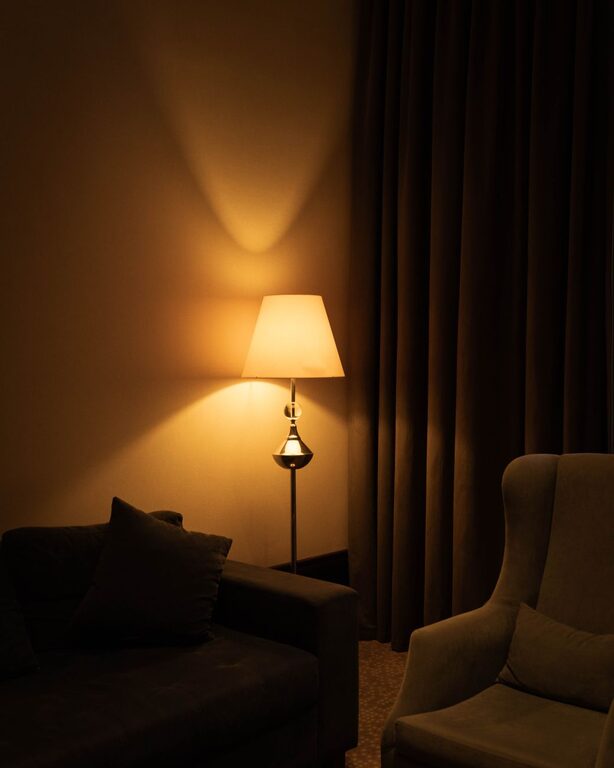
Lighting plays a significant role in making your home feel inviting. Harsh, bright lights can feel cold and unwelcoming, while softer, layered lighting brings a warm glow.
– Layer your lighting: Use a mix of ceiling lights, floor lamps, and table lamps to create different levels of brightness.
– Choose warm bulbs: Light bulbs with a warmer color temperature (around 2700K) emit a soft, yellowish light that feels cozy.
– Incorporate candles: Candles add a flickering glow and a calming ambiance. Scented candles can also add a pleasant aroma.
Adjusting the lighting to suit the time of day and activity helps maintain a relaxed and inviting environment.
3. Personalize Your Space with Meaningful Items
Your home should tell your story and reflect who you are. Including personal touches makes your space feel uniquely comforting.
– Display photos and mementos: Family pictures, travel souvenirs, or handmade gifts add warmth and nostalgia.
– Show off your hobbies: Books, plants, or art supplies can serve as decor while showcasing your interests.
– Use colors you love: Paint or decorate with colors that make you feel calm and happy.
Personalization creates a sense of belonging and helps a house feel like a true home.
4. Bring Nature Inside
Natural elements can improve your mood and make your space feel fresh and inviting.
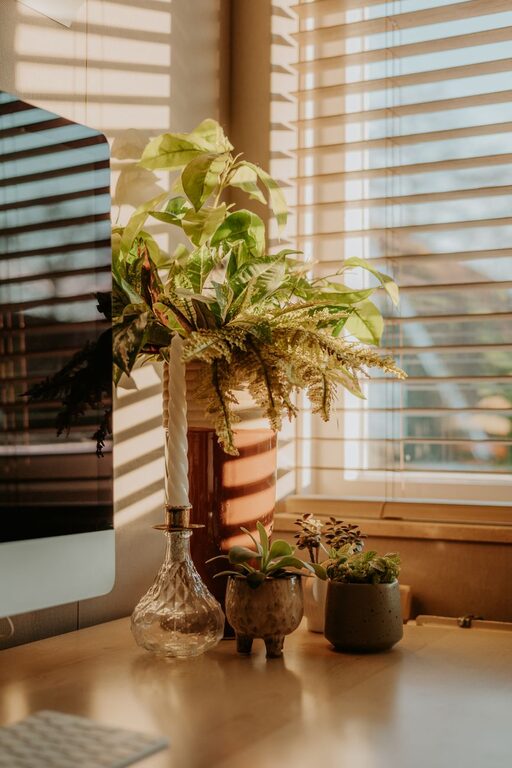
– Add indoor plants: Plants improve air quality and bring life to any room. Choose low-maintenance varieties if you’re new to plant care.
– Use natural materials: Wood furniture, stone accents, or woven baskets add organic texture.
– Incorporate natural scents: Essential oils, potpourri, or fresh flowers can bring gentle aromas indoors.
Connecting with nature inside your home creates a peaceful and balanced atmosphere.
5. Keep Your Space Clutter-Free and Organized
A tidy home feels more open and calming. Clutter can create stress and make a space feel chaotic rather than cozy.
– Declutter regularly: Donate or recycle items you no longer use or need.
– Use storage solutions: Baskets, bins, and shelves help keep things out of sight.
– Create designated spaces: Have clear spots for everyday items like keys, mail, and shoes.
An organized home allows you to relax fully without distractions or mess.
6. Create Cozy Nooks and Functional Zones
Designing distinct areas for different activities helps maximize comfort and invite you to spend more time at home.
– Reading corner: A comfortable chair with a lamp and small side table can encourage reading or quiet time.
– Dining space: Even a small table arranged for meals can create warmth around shared moments.
– Relaxation zone: Consider a spot for meditation, yoga, or just unwinding with soft cushions or a floor mat.
Zoning your home makes it feel thoughtfully designed and easily adaptable to your needs.
7. Use Soft and Neutral Colors for Calmness
Color schemes influence how we feel in a space.
– Choose soft, neutral hues: Shades of beige, gray, or pastels can create a soothing background.
– Add pops of warm color: Rust, mustard, or terracotta accents add vibrancy without overwhelming.
– Balance contrast: Pair light walls with darker furniture or vice versa for visual interest.
A balanced palette promotes relaxation and visual comfort.
Final Thoughts
Creating a cozy and inviting home environment is all about simplicity, comfort, and personal touches. Focus on soft textures, warm lighting, natural elements, and thoughtful organization to transform your space into a sanctuary. Your home should be a place you look forward to coming back to—a warm hug at the end of the day. Try these tips one at a time and enjoy the relaxing atmosphere that follows.