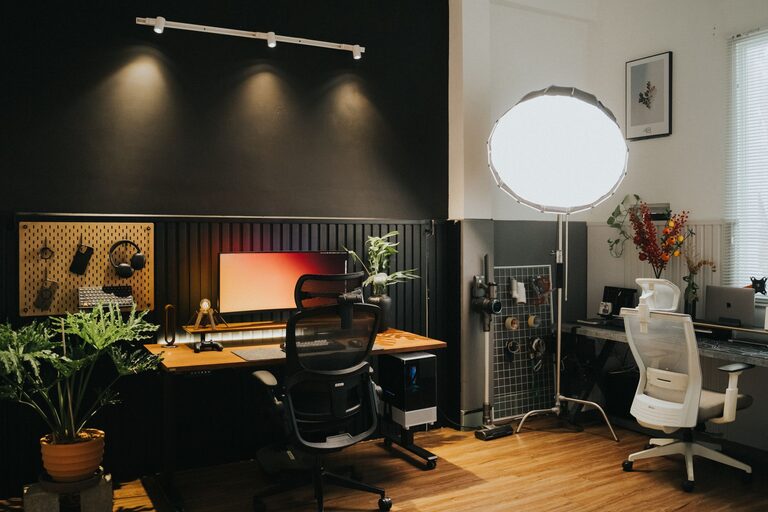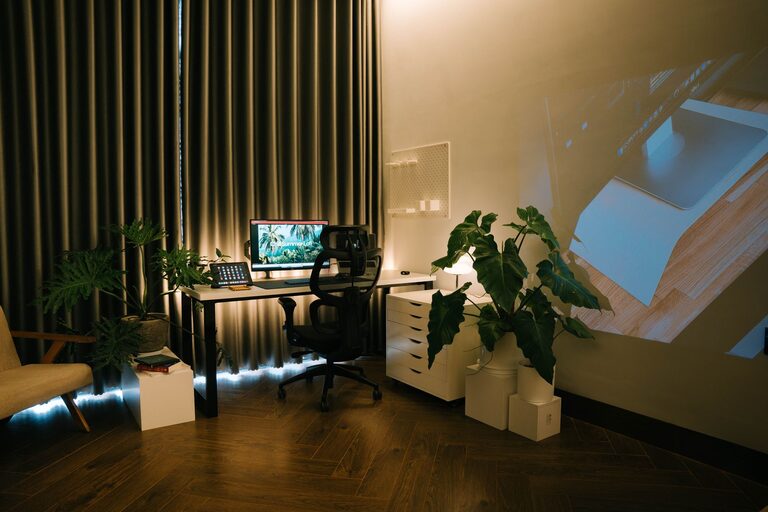

Creating a clutter-free home office is essential for maintaining focus, boosting productivity, and reducing stress. Whether you work full-time from home or need a dedicated space for occasional tasks, keeping your workspace organized enhances your ability to work efficiently. In this post, we’ll explore practical tips to help you design and maintain an organized, clutter-free home office.
Why Organizing Your Home Office Matters
A cluttered desk and disorganized workspace can cause distractions, hinder creativity, and increase anxiety. Having a clean and organized area not only improves your work efficiency but also contributes to a more enjoyable workday.
Assess Your Space and Needs
Before diving into organizing, take a moment to evaluate your current office setup.
– Identify the essential items: List the tools, devices, and materials you use daily.
– Consider space limitations: Measure your area to determine how much furniture and storage it can accommodate.
– Analyze your workflow: Notice how you move through tasks and what items should be easily accessible.
Declutter: Start Fresh
The first step toward organizing is clearing out what you don’t need.
– Sort items into categories: Keep, relocate, or discard/donate.
– Clear paper piles: Recycle unnecessary documents and digitize important papers.
– Limit personal mementos: A few meaningful decorations are fine, but too many can create clutter.
Choose Functional Furniture
Invest in furniture that supports organization and suits your space.
– Desk with built-in storage: Drawers or shelves keep essentials handy and out of sight.
– Ergonomic chair: Comfortable seating promotes better posture and longer work sessions.
– Storage units: Use filing cabinets, bookcases, or modular shelves to store items neatly.
Use Storage Solutions Wisely
Storage options can help you maximize space and maintain order.
– Drawer organizers: Separate office supplies for quick access.
– Desktop organizers: Small trays or containers for pens, notes, and frequently used items.
– Label containers: Clear identification simplifies finding and returning items.
– Cable management: Use clips, sleeves, or boxes to keep cords untangled and off your desk.
Establish a Paper Management System
Paper clutter is common in home offices. Manage it effectively by:
– Designate an inbox/outbox: For incoming and outgoing documents.
– Go digital when possible: Use scanning apps and cloud storage.
– Set a regular filing routine: Weekly or monthly sorting helps avoid buildup.
Optimize Your Layout
Arrange your office for convenience and comfort.
– Position your desk near natural light: It boosts mood and reduces eye strain.
– Keep frequently used items within arm’s reach: Saves time and prevents clutter buildup.
– Create zones: Separate work, storage, and relaxation areas if possible.
Develop Habits for Maintaining Organization
Organization is ongoing. Adopt habits to keep your space clutter-free:
– End-of-day clean-up: Spend a few minutes tidying your desk.
– One-touch rule: Handle papers or items only once—file, act, or discard immediately.
– Regular purges: Monthly reviews to remove unnecessary items.
– Digital decluttering: Delete or archive files and emails routinely.
Add Personal Touches Thoughtfully
A functional office doesn’t have to be sterile. Adding personality can make the space inviting.
– Incorporate plants: They improve air quality and add color.
– Display inspirational items: Motivational quotes or art that encourages productivity.
– Use calming colors: Soft tones can reduce stress and increase focus.
Final Thoughts
Organizing a clutter-free home office takes planning and consistent effort, but the payoff is a serene and efficient workspace. By assessing your needs, decluttering, investing in functional furniture, and maintaining good habits, you can create a productive environment that supports your work and well-being.
Start today by choosing one area to organize and build from there. A tidy workspace is a step towards a clearer mind and better work outcomes.